
A cooler bag factory review should explain where the proposed product will actually be made and who controls each handover. An office, showroom or equipment photograph cannot answer that question by itself. The important result is a clear route for your product: which facility performs each operation, which work may involve a partner, and where responsibility returns before the order is released.
This is a buyer’s process-mapping guide. It does not claim that every Weierken order follows one route, that a named process is outsourced, or that the product photographs below constitute audit evidence. Confirm the proposed route for the specific bag, order and market with the responsible team.
Start with the bag, not the factory presentation
Bring the current drawing or reference sample, its material list and the features that matter most to your program. A sewn lunch tote and a welded outdoor cooler do not create the same process questions. A factory may have broad bag experience while a particular closure, laminated panel or reinforcement still requires a separate review.
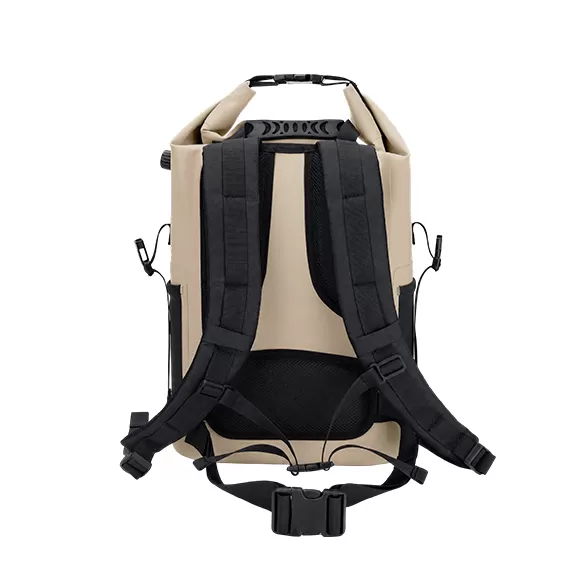
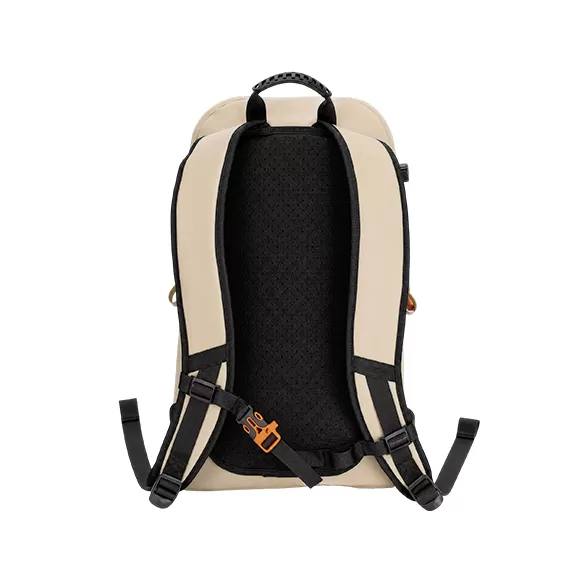
For a cooler backpack, identify the shell, insulated lining, base, opening, shoulder system and branding. Discuss where the parts are prepared and where the completed construction is checked. Use a product reference such as the C18-26SS roll-top cooler backpack to make the discussion concrete, without assuming that another model uses the same equipment or workflow.
Keep legal company name, commercial contact and operating site in separate fields. These can legitimately differ, but their relationship should be explained. A buyer should know which company issues the quotation and which facility is proposed for the work, rather than interpreting a brand name as a complete site description.
Use a filled process map as a discussion model
Illustrative route, not a statement of Weierken’s production arrangement: Facility A is a proposed main assembly site and Partner B is a proposed decoration provider. Replace both labels with verified project information before approval. A partner operation is not automatically a problem; an undisclosed or uncontrolled handover is the issue to investigate.
| Operation | Illustrative location | Handover evidence | Question before approval |
|---|---|---|---|
| Material receipt | Facility A | Material code and batch identification | Can received fabric be matched to the approved reference? |
| Panel decoration | Partner B, if proposed | Artwork version, panel count and return identification | Who approves the first decorated panel and checks returned parts? |
| Cutting and preparation | Facility A | Pattern revision and part identification | How are old patterns removed from use? |
| Seam or weld assembly | Site to be confirmed for this construction | Process instruction and first-piece record | Which operation controls the claimed sealing performance? |
| Strap and hardware fitting | Facility A in this example | Component identity and attachment checks | Who checks a hidden reinforcement before the panel is closed? |
| Inspection and packing | Agreed release site | Inspection record and packing instruction | Who has authority to hold shipment when a requirement is not met? |
The map should show uncertainty rather than hide it. “Site to be confirmed” is a useful open item if it has an owner and due date. “All in-house” without a product-specific explanation is not a substitute for the map. Equally, do not assume that every off-site material or component supplier is an uncontrolled subcontractor.
Look closely at parts that leave and return
When panels move between operations, ask how the team preserves the product reference, artwork revision and quantity. Can an old printed panel be mixed with the revised design? Are returned parts checked before the bag is assembled? If a defect is found after assembly, can the affected work be identified without guessing which delivery it came from?
Use one practical example. A printed front panel changes from artwork R01 to R02 while an early panel batch is still being reviewed. The buyer should ask how R01 parts are segregated, who releases R02 for use and how the assembly team receives the change. This is an illustrative control problem, not a report of a customer incident.
For materials and component changes, connect the process map with our material traceability guide and component substitution checklist. The route record should not contradict the approved bill of materials.
Request evidence that answers a specific question
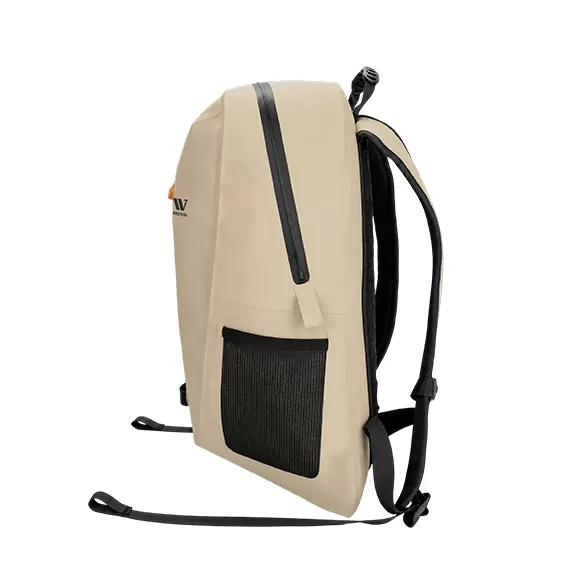
Photographs can establish context, but they do not prove an entire production capability. Ask for an explanation tied to your construction, then select the evidence needed to verify it. Where another customer’s information is involved, request a blank form, an anonymised example or a record created for your own sample review rather than confidential order details.
| Question | Useful evidence | What it does not prove |
|---|---|---|
| Where is an operation performed? | Verified site details and a product-specific walkthrough | That every future order will use the same route |
| Does the team use the current specification? | Current instruction, sample reference and revision control | That all finished units have passed inspection |
| Are partner operations controlled? | Agreed handover, identification and return-check method | That a generic certificate covers the partner’s work |
| Was the final bag accepted? | Order-specific checks against agreed criteria | An unlimited performance guarantee for other models |
Certification, factory-process review and product testing answer different questions. Match each document to its company, facility, scope and relevant period. The quality and certification page is a place to begin a document discussion, not a reason to omit product-specific verification.
Treat a route change as a review point
Agree how the supplier will notify the buyer if an important operation moves to a different facility or partner. The response depends on the change: a new packaging location and a new sealing process may need different checks. Record what is changing, why it matters to the product, who reviews it and what evidence is required before the next release.
A remote walkthrough can answer selected questions, but record what was actually observed. Do not turn a short video call into approval of unobserved processes or facilities. Link unresolved items to the factory quality audit checklist and retain a dated follow-up list.
When discussing a program with Weierken, send the bag reference, expected quantities, destination and any buyer requirements for site approval or partner work. Ask the team to explain the proposed route through bag manufacturing and identify the questions that must be closed before production.
Frequently asked questions
Does partner work automatically disqualify a cooler bag factory?
No blanket conclusion is appropriate. Review the specific operation, buyer policy, disclosure and control arrangements. The decision should follow your supplier-qualification requirements.
Can we use photos from the website as audit evidence?
Use them to prepare questions. An audit record needs an identified site, date, scope and verification relevant to the proposed product; a general product photograph does not supply those elements.
What should the final review produce?
A dated process map, the evidence actually reviewed, open issues with owners, and the conditions that must be met before approval. Do not replace this with a simple count of machines.
Discuss your cooler bag construction and factory-review requirements with Weierken before treating a proposed production route as approved.
From brief to sample
Build the right bag for your collection.
Share the intended use, product format, quantity and destination market. Weierken can review the construction and sampling requirements with your team.
Discuss your bag project Explore OEM & ODM