
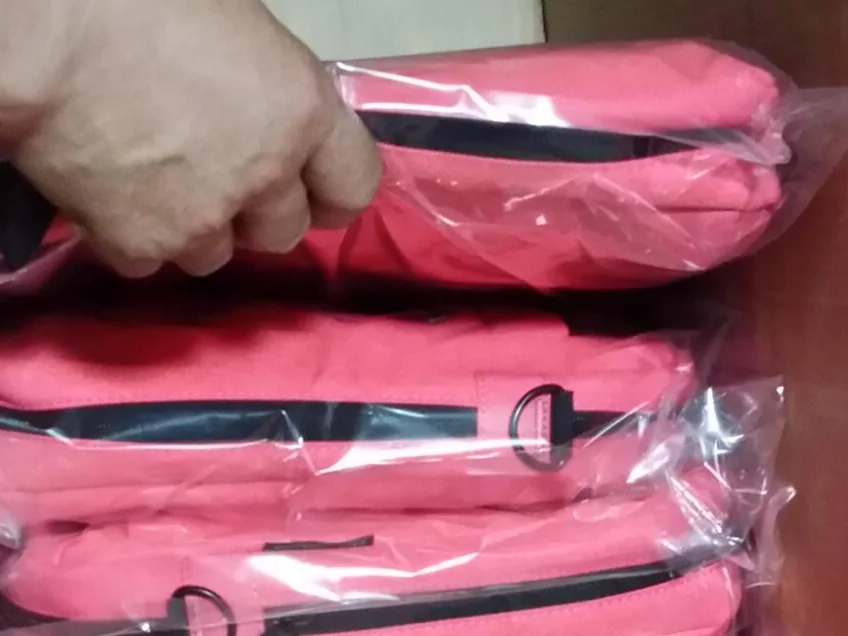
A mixed-SKU bag shipment needs a countable packing plan that connects each variant to its carton range. A total order quantity is not enough when a wholesaler receives different models, colors or accessory combinations. Reconcile the approved quantity, physical packed quantity and receiving quantity as separate records.
For a cooler bag wholesaler, the problem often appears after the assortment has already been approved. The factory may pack efficiently by available space while the buyer’s warehouse expects cartons separated by SKU. Agree the packing rule before the final packing run, using the cooler assortment plan as the starting SKU list rather than creating another disconnected spreadsheet.
1. Decide whether mixed cartons are actually wanted
Single-SKU cartons simplify some receiving processes, while mixed cartons may suit a particular distribution program. Neither arrangement is automatically correct. State whether mixing is permitted, which combinations are allowed and how a partial carton should be identified.
Separate the retail unit from the packing unit. A detachable shoulder strap may be included inside each bag, packed separately by carton or supplied as an additional spare. These arrangements produce different receiving checks. Avoid a line such as “accessories included” without identifying the quantity and packing location of each required part.
2. Build a quantity record that can be checked
The example below is illustrative only, not an actual Weierken order, confirmed carton capacity or shipment record. The two cooler models and quantities are used to demonstrate reconciliation logic.
| SKU | Approved quantity | Example carton allocation | Count check |
|---|---|---|---|
| Model A / sand | 120 bags | Cartons 01–10: 12 bags each | 10 × 12 = 120 |
| Model A / black | 80 bags | Cartons 11–17: 10 each; carton 18: 10 | 7 × 10 + 10 = 80 |
| Model B / sand | 60 bags | Cartons 19–23: 12 bags each | 5 × 12 = 60 |
| Total | 260 bags | 23 cartons; no mixed carton in this example | 120 + 80 + 60 = 260 |
If a genuine mixed carton is needed, break its contents into separate SKU rows under the same carton number. Do not label the carton “assorted” and leave the ratio implicit. A receiver should be able to identify exactly what belongs inside without unpacking unrelated cartons or guessing from color names.
3. Freeze names, ratios and accessory inclusion together
Use the same SKU identifiers in the approved order, packing plan and carton marks. Marketing names can remain customer-facing, but the operational record needs an unambiguous identifier. Include a revision when a model changes enough to affect its accessories, folded shape or packing method.
If the buyer changes an assortment late, update the allocation before packing resumes. For example, moving twenty units from sand to black affects SKU totals and carton ranges even if the total order quantity is unchanged. Keep the old and revised allocations available so the factory can identify which cartons need to be reopened rather than replacing labels indiscriminately.

4. Give the warehouse a useful receiving sequence
Start with carton identity and condition, then compare the carton count with the packing list. Check the SKU and quantity in the cartons selected under the agreed receiving procedure. Record discrepancies against a carton number, not just against the shipment total. Photograph the carton mark and the contents together when an issue is found.
A shortfall, wrong color and missing strap are different discrepancies and may have different causes. Keep them separate instead of converting every issue into “missing bags.” For a suspected mismatch, retain the original labels and packing configuration until the buyer and supplier agree the next step. Use the photo-record checklist to make the evidence understandable.
5. Approve packing independently of product quality
A passed appearance inspection does not establish that the SKU mix is correct. Conversely, a complete count does not establish that each bag meets the approved construction. Keep the packing reconciliation and product inspection decisions distinct, then link them to the same order release.
The bag packaging specification controls packaging details, while this reconciliation record controls quantities and variant allocation. The barcode placement guide addresses another separate concern: whether the right identifier can be found and read. Together these records help a warehouse receive the intended assortment without relying on a sales photograph.
Frequently asked questions
Should a wholesaler accept mixed cartons to reduce the carton count?
Only if the receiving and distribution process can handle the proposed mix. Compare the operational benefit with identification and repacking work; do not choose solely by the number of cartons.
Does a correct total quantity prove the right assortment was shipped?
No. An overage in one color can conceal a shortage in another. Reconcile each SKU and accessory combination, then check that the subtotal matches the order total.
What should be recorded when a carton contains the wrong variant?
Record the carton number, expected SKU and quantity, actual contents, label image and packing condition. Keep this separate from product defects and avoid guessing which other cartons are affected.
Send a focused project brief
Send your SKU list, warehouse receiving rule and preferred carton-mixing policy. Include accessory and spare-part packing instructions so the quotation and packing review cover the same unit. Request a Weierken manufacturing review with your company, product format, quantity, destination market and drawings. MOQ, sampling arrangements, pricing and delivery timing must be confirmed for the actual specification.
From brief to sample
Build the right bag for your collection.
Share the intended use, product format, quantity and destination market. Weierken can review the construction and sampling requirements with your team.
Discuss your bag project Explore OEM & ODM