
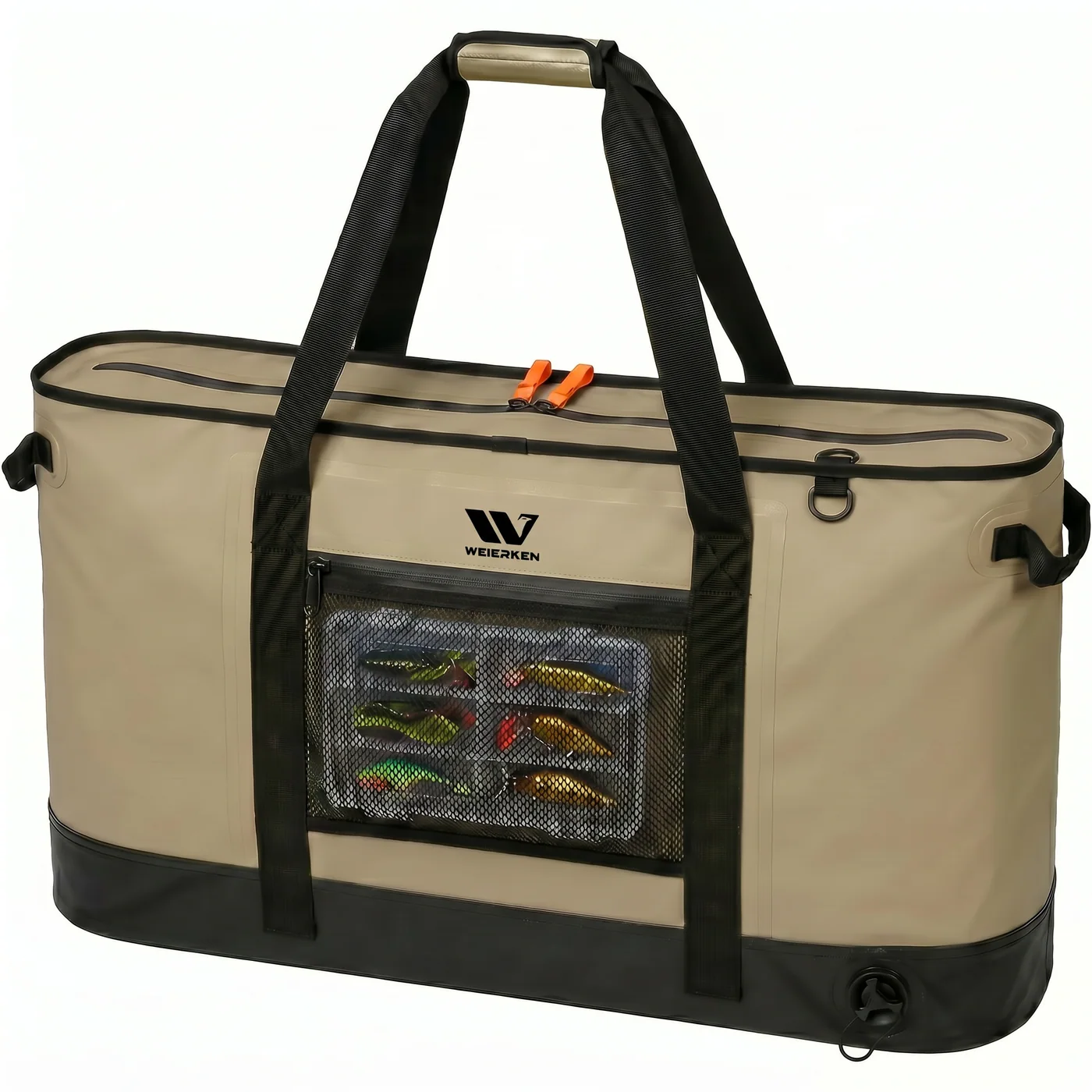
A buyer opening a packed insulated bag may notice an odor that was not apparent in an open showroom sample. The review needs to consider materials, assembly, storage and packaging together. An odor observation is useful feedback, but it is not a chemical-safety result. Treat appearance, smell and required compliance documentation as separate parts of the purchasing decision.
Record the condition at first opening
Identify the sample, packaging type, storage period and the condition in which it was received. Note whether the odor was observed immediately on opening or only after handling the liner or another component. Avoid cleaning or masking the sample before the initial record is made.
If several samples are compared, keep their opening conditions comparable. A bag left open for several days should not be presented as equivalent to one taken straight from a sealed package without noting that difference.
Identify where the observation is strongest
Review the liner, outer material, inserts, printed areas and packaging separately where this can be done without damaging the sample. Ask the factory to review the material and assembly records rather than assigning a cause from the odor description alone.
Do not recommend unapproved solvents, perfume or high heat as a remedy. A treatment that hides a smell may change materials or complicate the investigation. Any proposed airing or cleaning instruction must be compatible with the finished construction.
Separate sensory acceptance from chemical compliance
A bag with little noticeable odor is not therefore proven chemically compliant, and an odor observation alone does not identify a specific substance or exposure level. If the project needs chemical testing, define the material, destination requirements and appropriate test scope with a qualified provider.
Intertek lists chemical and physical assessments among bag-testing considerations. That reference does not establish a report for a particular model or replace the buyer’s market-specific compliance review.
Verify the proposed change in the final pack
If a material, process or packaging change is made, evaluate a representative sample under the agreed receiving conditions. Record the difference without claiming a numerical improvement that was not measured. Keep the package and sample version connected.
Do not approve only an unpacked replacement and assume the bulk receiving issue is solved. The product needs to be reviewed in the packaging and storage condition relevant to the original observation.
Purchasing worksheet
Use this as a project worksheet, not a completed test report. Swipe the table on a small screen.
| Review | Record | Meaning |
|---|---|---|
| First opening | Pack type, storage and sample ID | Comparable sensory observation |
| Component check | Location and assembly references | Investigation input, not a diagnosis |
| Compliance | Required material and test scope | Separate evidence from odor |
Buyer FAQs
Does no noticeable odor prove chemical safety?
No. Sensory observation cannot replace applicable material documentation or testing.
Should perfume or a cleaning treatment be used before reporting an odor?
Do not mask the initial condition. Record it first and review any treatment for compatibility before use.
Explore our OEM and ODM development alongside the project worksheet below.
Prepare your Weierken project brief
Send the sample identifier, packaging and storage details, and a factual description of the observation. Weierken can review the relevant components without treating smell as a laboratory diagnosis.
Related guidance: quality investigation records, packaging scope. Send your project details to Weierken.
Further technical reference: Intertek luggage and bags testing. Reference information is not a test result or certification for a Weierken product.
From brief to sample
Build the right bag for your collection.
Share the intended use, product format, quantity and destination market. Weierken can review the construction and sampling requirements with your team.
Discuss your bag project Explore OEM & ODM