
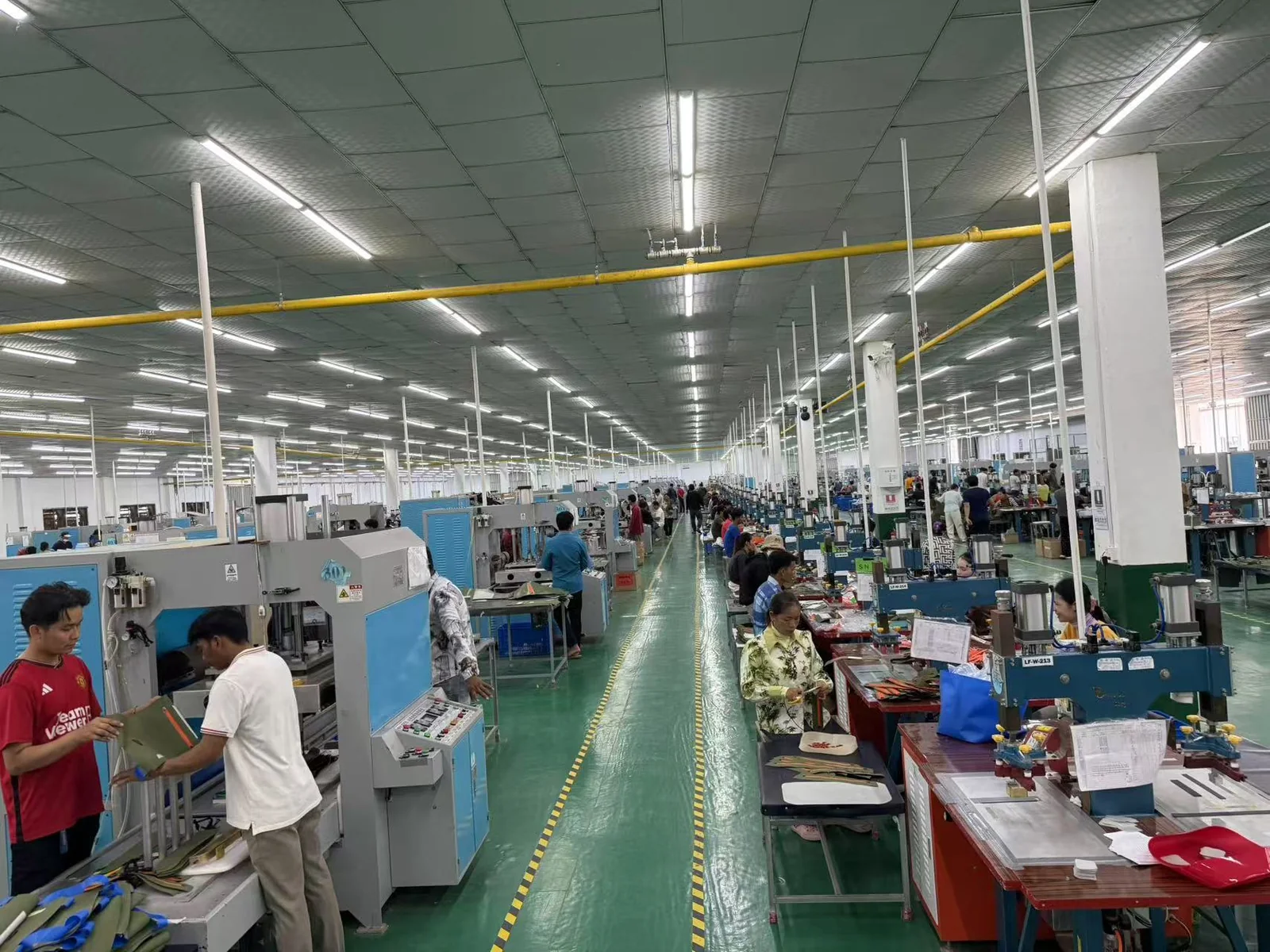
Choosing a production country is not only a tariff decision. A lower nominal duty does not help if the selected factory cannot source the required material, maintain the construction or meet the launch date.
Start with product fit
Review whether the factory has the right sewing, welding, cutting, testing and packing capability for the bag. Confirm which materials and accessories are local and which must be transferred.
Compare the full schedule
Include material lead time, sample approval, production, inspection, shipping and customs. Ask which stages are sensitive to the selected route.
Verify origin and compliance
Country-of-origin and duty treatment depend on actual manufacturing and destination rules. Request the required supporting documents and confirm them with the buyer’s customs adviser before relying on a saving.
Keep the same approval basis
If production moves between facilities, the approved sample, bill of materials, artwork, tolerances and test plan should remain controlled. Route flexibility is useful only when product consistency is maintained.
Compare production routes against the same specification
Begin with a common technical pack, loading requirement and acceptance plan. If different factories quote different materials or constructions, the apparent route comparison is not like for like. Ask each proposed production site to identify the processes it will perform and any operations or materials that need external coordination.
A route decision should include the sample-to-production handover. Confirm where the approval sample is made, which site will produce the order and how the receiving team will reproduce the same construction. Share controlled drawings, material references, decoration standards and inspection points instead of relying only on photographs.
China and Cambodia are production-location choices, not automatic promises about cost, origin treatment or delivery time. Review the specific product, sourcing plan and shipment arrangement. Questions about duties and origin documentation should be checked with qualified advisers for the actual order and destination.
A practical route-comparison record
| Review area | What to define | Decision or evidence |
|---|---|---|
| Construction fit | Seam system, equipment and operator requirements | Confirm the intended site can execute the approved build |
| Material readiness | Source, availability and transfer requirements | Identify dependencies before fixing a schedule |
| Quality handover | Reference sample, drawings and inspection instructions | Assign ownership for revision control |
| Shipment planning | Packing, destination and required documentation | Validate the actual order rather than assuming a general advantage |
When should the route decision stay open?
Keep it provisional when the construction, material source or production location has not been confirmed. Close those gaps before presenting a firm route to your own customer. A later site change should trigger a documented review of affected samples, quality controls and shipment assumptions.
For the next development decision, see our Bag Factory Quality Audit: Six Checkpoints Before Bulk Production.
From brief to sample
Build the right bag for your collection.
Share the intended use, product format, quantity and destination market. Weierken can review the construction and sampling requirements with your team.
Discuss your bag project Explore OEM & ODM