
An annual requirement is useful information for an OEM cooler bag factory, but it does not describe the next production run. A brand may expect to sell several thousand bags over a season while approving only one launch shipment. If the enquiry mixes these figures, the quotation may assume a material purchase, colour split or delivery schedule that the buyer did not intend.
This guide shows how to turn a volume forecast into a clear discussion of purchasing and production. The worked example is illustrative, not a Weierken quotation, MOQ policy, inventory commitment or customer case. Any purchase, storage or release arrangement must be agreed for the actual project.
Separate four quantities before comparing prices
Start with annual forecast, initial confirmed order, material commitment and shipment release. These quantities may be equal, but never assume that they are. An annual forecast expresses the buyer’s planning assumption. A confirmed order identifies what is actually being purchased under agreed terms. Material commitment concerns what fabric, trim or packaging may be bought for that program. A shipment release identifies which goods should leave, when and in which packing configuration.
For example, an outdoor brand might be confident about its first retailer allocation but uncertain about the second selling period. Sending one annual total hides that difference. Show the confirmed portion and the possible repeat portion separately, then ask the factory which inputs control price, material availability and scheduling.
A useful starting point is our custom bag RFQ guide. This article adds the volume and release logic; it does not replace the product specification.
A filled planning example for two colours
Illustrative buyer worksheet: one cooler construction, two colourways, a confirmed launch order and an unconfirmed follow-up. The quantities below are arithmetic examples, not minimum order quantities or promised production capacity.
| Planning line | Sand colour | Black colour | How to describe it |
|---|---|---|---|
| Annual sales forecast | 1,200 bags | 800 bags | 2,000 total; a planning estimate, not a release instruction |
| Confirmed launch order | 360 bags | 240 bags | 600 total; quote and schedule this defined order |
| Possible later demand | 840 bags | 560 bags | 1,400 forecast balance; timing and purchase approval still open |
| First shipment request | 360 bags | 240 bags | Ship the confirmed launch order together if agreed |
| Custom labels and cartons | Confirm separately | Confirm separately | Do not infer printing quantities from the sales forecast |
The two colour splits matter. Even when the bag construction is shared, a custom fabric colour or printed label can have a different purchasing constraint. Ask for the launch-order price and any alternative based on a larger, explicitly defined commitment. A quotation based on 2,000 units cannot automatically be compared with another supplier’s quotation based on 600.
Keep a forecast revision date and an owner. If marketing changes the expected colour mix, record both the previous and proposed split. Otherwise a buyer may believe the program is unchanged while the factory sees a different material requirement.
Identify what might be purchased before the next release
Discuss exposure component by component. The shell fabric may be standard while the printed panel is project-specific. Webbing may be reusable while a branded buckle is not. Packaging can become obsolete after a change in language, retailer or product claim. A single statement such as “hold stock for us” does not explain which of these items is meant.
| Item | Question to resolve | Record to retain |
|---|---|---|
| Outer fabric | Standard availability or custom colour? Which quantity is being considered? | Material code, colour reference and quantity basis |
| Branded components | Which parts become specific to this program? | Approved artwork revision and component list |
| Insulation and lining | Will all releases use the same approved construction? | Bill of materials and sample reference |
| Printed packaging | Does each market require different information? | Approved artwork, pack quantity and destination |
| Unused inputs | What happens if demand, colour mix or the product changes? | Project-specific written arrangement before purchasing |
Do not assign ownership, cancellation charges or storage responsibilities by assumption. List the decisions for the responsible commercial reviewers. If a matter is not settled, mark it open instead of allowing a spreadsheet total to imply approval.
Make each production release identifiable
A practical release sheet includes the project reference, product revision, colour quantities, artwork version, required packing, delivery destination and requested shipment window. It also identifies any approvals that remain open. Match the quantity on that sheet with the purchase document and packing plan before production is authorised.
Separate requested shipment date from required arrival date. Neither is meaningful without the transport plan and the approval milestones. Avoid carrying a previous delivery promise into a revised release when the fabric, closure or packing has changed. Our approval-gate scheduling guide explains why this distinction matters.
On a repeat order, compare the new release with the previous approved version rather than simply writing “same as before.” A retailer may have changed its label placement or carton limit even though the bag colour stayed the same. Use the reorder specification checklist to keep those changes visible.
What to send Weierken for a program review
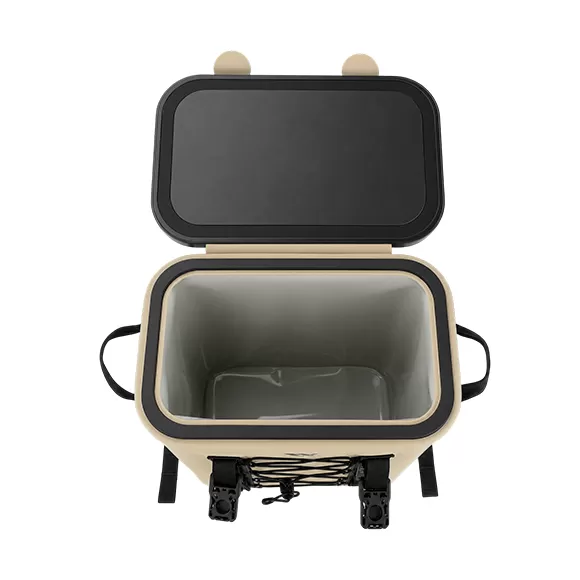
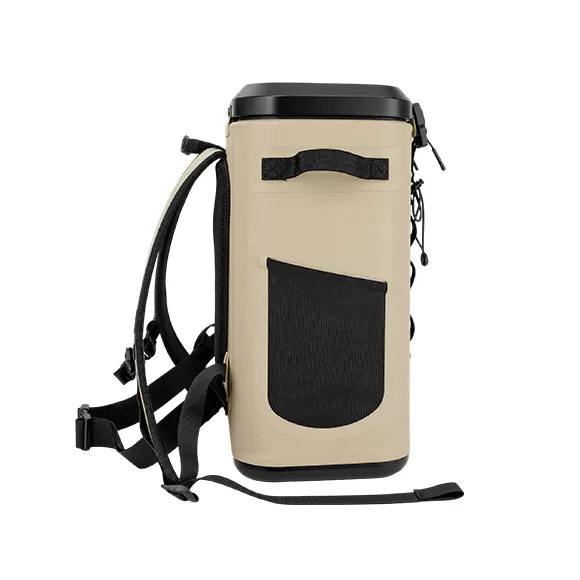
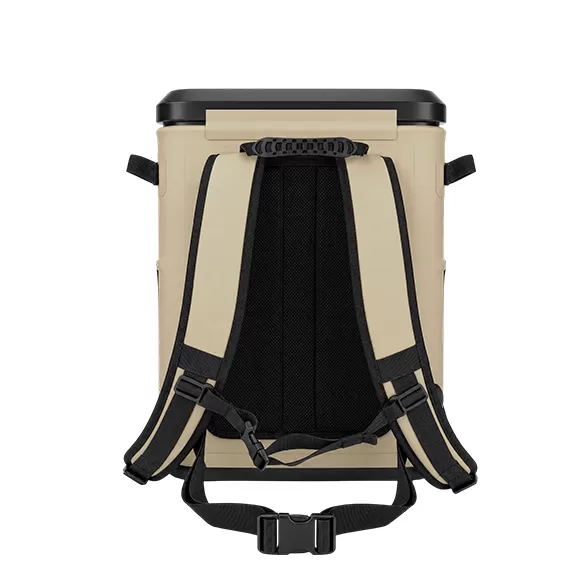
Send the product reference, forecast horizon, initial order quantity, split by model and colour, desired release pattern and destination. Add the assumptions that are still uncertain. If you are starting from the C04-26SS magnetic-lid cooler backpack, identify the exact features you want to keep or change; a catalogue model is a starting reference, not automatic approval of a customised specification.
Ask for a response that separates the defined launch order from optional volume scenarios. Discuss materials, sampling, production and shipment as related decisions, not as one unexplained lead time. This helps Weierken review the actual purchasing problem and keeps a promising sales forecast from becoming an unclear instruction.
Frequently asked questions
Can an annual forecast automatically secure a lower unit price?
No price should be assumed from the forecast alone. Ask which confirmed quantities, materials and release conditions the quotation uses, and compare alternatives on the same basis.
Can we place one order and ship it in several releases?
Include the proposed release schedule in the enquiry. Feasibility, storage, inspection, payment and shipment responsibilities need project-specific agreement before the arrangement is treated as confirmed.
What if the colour mix changes after materials have been discussed?
Send a dated revision and ask which materials, pricing and dates are affected. Keep previously agreed commitments visible instead of replacing the old quantities without a record.
Planning a cooler bag collection? Send Weierken your product reference, initial quantities and release plan for a project-specific review.
From brief to sample
Build the right bag for your collection.
Share the intended use, product format, quantity and destination market. Weierken can review the construction and sampling requirements with your team.
Discuss your bag project Explore OEM & ODM