
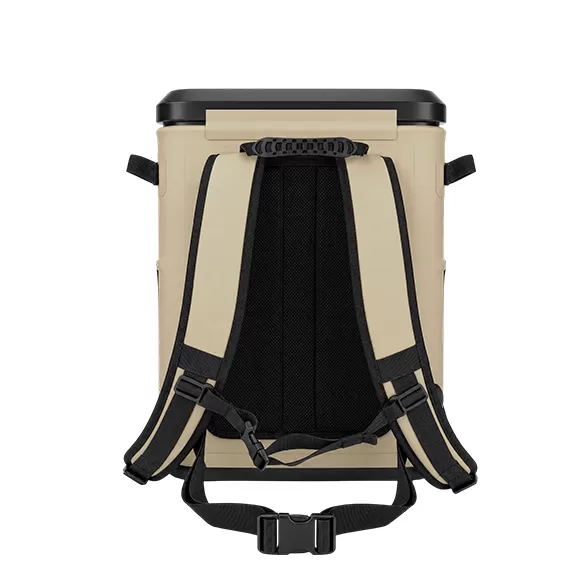
A strap’s cut length is not the same as its usable adjustment range. Hardware, folded ends, padding and attachment positions all affect how the finished bag sits on the user. Buyers should define the intended carrying positions and users before approving the strap measurement.
Define the carrying configuration first
State whether the strap is for shoulder carry, cross-body carry or another agreed configuration. Record whether it must work over a light shirt, a coat or protective clothing. Identify the expected load and the bag’s attachment points. For a Weierken development review, send a reference showing the desired position of the loaded bag rather than only a webbing length.
If a product offers several carrying modes, assess each mode separately. A cross-body strap may interfere with hand-carry handles, pockets or a lid when shortened. A padded section can move out of the contact area when the strap is lengthened. These issues may not be apparent when the empty bag is photographed on a table.
Agree a repeatable measuring method
Swipe the comparison table horizontally on a small screen.
| Field | Definition to approve |
|---|---|
| Minimum usable length | Reference points, hardware inclusion and intended shortest carrying configuration. |
| Maximum usable length | Longest approved configuration while retaining the required threading and end security. |
| Padding position | Where the pad should contact the user at representative adjustments. |
| Loose webbing | How the free end is retained and kept clear of openings or moving equipment. |
| Attachment orientation | How hooks, buckles and webbing face in the approved assembly. |
Do not publish a universal length tolerance or test load without agreeing it for the construction. Record the measuring setup on the drawing. For reorders, retain a photo of the approved threading path so production does not substitute a visually similar arrangement.
Review adjustment under the specified load
Use representative users or fit requirements supplied by the buyer. Place the intended load in the bag, set the agreed carrying position and check whether the adjuster is reachable. Review twisting, pad movement, interference with the closure and unwanted length change during the agreed handling sequence. Any load test should have documented conditions and acceptance criteria.
If the fit is wrong, identify whether the cause is strap length, attachment location, bag dimensions or hardware routing. Shortening webbing alone may not solve a bag that rotates because of its attachment geometry. Record the requested change and review the revised sample before releasing production.
Buyer FAQs
Can we approve the strap using an empty bag?
Use the empty bag for construction checks, then review fit with the intended load. Weight distribution can change the carrying position.
Is one strap length suitable for every customer?
Not necessarily. Define your intended users and clothing conditions, then confirm the usable range on the finished sample.
See carrying-system design and sample revision control. Request a strap review with your load and carrying-position references.
From brief to sample
Build the right bag for your collection.
Share the intended use, product format, quantity and destination market. Weierken can review the construction and sampling requirements with your team.
Discuss your bag project Explore OEM & ODM