
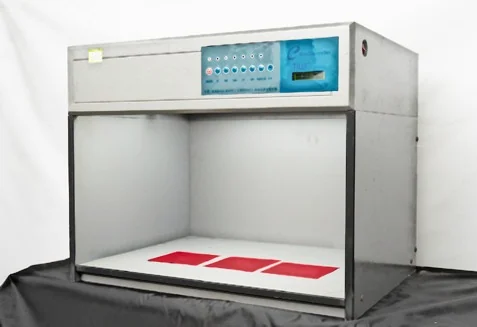
A green body, green webbing and green logo background may look like three different colors even when their names match. Weierken offers custom materials, colors and branding, so color approval should cover the assembled combination. Give each component an identified reference and record which differences are intentional instead of asking everyone to match an unlabelled screen image.
Choose one controlling reference for each component
Start with a physical brand or material reference where appearance matters. Identify the supplier material code and finish alongside the color. Keep a digital image for communication, but do not treat different phone screens as a controlled color assessment.
If the range uses intentional contrast, make it explicit. A black zipper on an olive bag is not a mismatch when the design calls for it; a reviewer should not change it to olive merely to make every row say the same color.
A filled collection color sheet
Illustrative color plan for one cooler-bag range; reference codes below are fictional labels, not existing Weierken materials.
| Component | Controlling reference | Design intention | Approval needed |
|---|---|---|---|
| Outer fabric | Physical swatch OL-01 / proposed material F-A | Matte olive appearance | Approve the exact material and finish, not the color name alone. |
| Webbing and binding | Trim set T-BK | Deliberate black contrast | Review beside the body fabric and on the assembled sample. |
| Zipper tape | Component Z-BK | Match the intended black trim direction | Confirm exact component and acceptable appearance. |
| Logo | Artwork L02 / white application | White mark on olive background | Review the physical application for appearance and legibility. |
| Lining | Liner reference LN-GR | Separate grey interior; no outer-color match required | Approve the liner independently and record the distinction. |
Include the reviewer, decision date and accepted reference version. A note saying ‘green approved’ cannot identify which fabric, finish or sample controlled the decision.
Move from swatch to assembled sample
Review the components together before assessing the finished bag. Seams, panel direction, folds and decoration can change how the combination is perceived. Record a deliberate contrast as accepted, and describe an unwanted difference by component rather than rejecting the entire sample with ‘wrong color’.
Weierken’s material and branding customization connects these choices to the actual bag. If the logo background or application changes, use the artwork checklist as well as the color sheet; a fabric approval alone does not approve the decorated panel.
Keep the approved references in the order handover
List the approved references by style and colorway, then reconcile them with the variant quantity plan. If the supplier, material or finish changes, reopen the affected review rather than keeping the old color label and assuming equivalence.
Agree the viewing and acceptance method before production. Do not invent a numerical color tolerance after receiving the order. Send Weierken the reference set with any fixed brand requirements and mark the trims that can remain standard or contrasting.
Frequently Asked Questions
Can several styles share one color purchase?
Identify the exact materials and quantities for each style and ask Weierken to review the purchasing arrangement. A common color name does not establish a shared material or a combined production minimum.
What if a launch needs a color reference before our brand guide is finished?
Use a clearly labeled provisional reference for development and state who will issue final approval. Do not let a temporary screen image become the bulk-production standard by default.
From brief to sample
Build the right bag for your collection.
Share the intended use, product format, quantity and destination market. Weierken can review the construction and sampling requirements with your team.
Discuss your bag project Explore OEM & ODM