
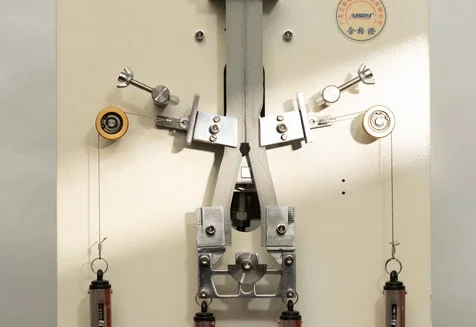
A zipper described as waterproof still needs to work with the bag’s materials, opening shape and closing instructions. Weierken develops openings with the surrounding structure, so send the largest item that must pass through and the exposure requirement together. This avoids approving a component that looks right but leaves the finished bag’s use unresolved.
Measure access in the loaded condition
Use the target container or equipment, including its lid and handles. Check clear access with the bag packed, not only with the empty opening stretched flat. Mark corner interference and the resting position of the pull; a nearby strap or fabric fold can make an otherwise generous opening difficult to use.
A filled zipper specification brief
Illustrative equipment-bag brief, not a component endorsement or verified water-protection rating.
| Field | Example project requirement | Approval reference |
|---|---|---|
| Access | Remove the buyer’s rigid equipment case without forcing the opening | Case dimensions, packed arrangement and removal video. |
| Component identity | Use the selected supplier zipper and pull configuration | Exact component code and approved physical reference. |
| Opening direction | Pull must be accessible from the front carrying position | Annotated drawing showing the fully closed pull location. |
| End construction | Show how both zipper ends connect to the body | Close-ups of the finished sample, not an unattached zipper. |
| Operating instructions | Identify the complete closing action and any care requirements | Instructions reviewed against the actual sample. |
| Exposure evidence | Define the requirement for the finished compartment | Agreed method and report scope tied to Z02 and the bag revision. |
If the prototype uses a temporary component, say so on the sample label. Shape approval must not silently become approval of the substitute zipper.
Review the interface before changing the component
Check how the zipper joins the coated fabric and transitions around corners. Keep these details in the construction map. If operation is difficult, identify whether the problem is the component, the opening geometry, the packed load or interference from a neighboring feature before choosing a replacement.
Weierken’s opening and bag-structure customization lets these alternatives be reviewed together. A revised opening can be a more relevant development question than ordering a different zipper of the same nominal length.
Control substitutions and claims
Compare any replacement against the approved component, orientation, end detail and attachment arrangement. Record the sample and verification steps affected by the substitution. The same color or length does not establish that two components are interchangeable.
A component document should not be presented as evidence for a complete bag unless its scope supports that use. Keep claims consistent with the tested finished construction. When you send Weierken the zipper brief, include the intended exposure and relevant operating conditions so the team can identify the required development review.
Frequently Asked Questions
Can the zipper be repaired or replaced after sale?
Ask for a serviceability review of the actual attachment and bag construction. Do not assume that a replaceable component can be removed without affecting the surrounding assembly or its performance.
Should operation with gloves be reviewed?
If that is part of the intended use, specify the glove and working condition in the brief. Check pull access and complete closure with the sample, without treating that usability check as an exposure rating.
From brief to sample
Build the right bag for your collection.
Share the intended use, product format, quantity and destination market. Weierken can review the construction and sampling requirements with your team.
Discuss your bag project Explore OEM & ODM