
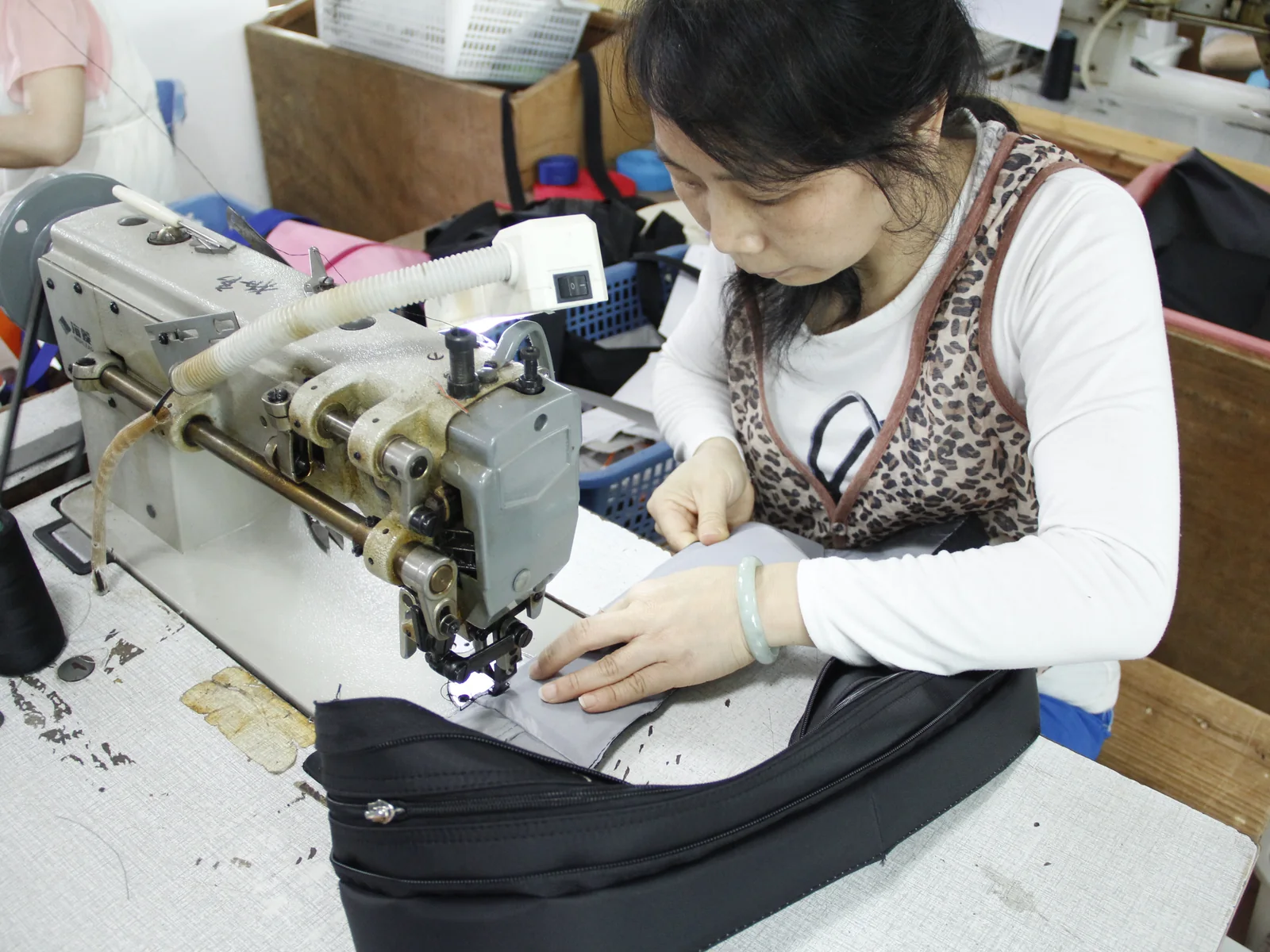
A dual-compartment cooler bag is useful only when its separation matches the user’s routine. A second compartment can help divide contents, but it can also create a loading order that users find awkward. For a custom cooler project, define what goes where, what is opened first and what must remain undisturbed before discussing extra pockets.
Map the routine, not just the volume
Start with three moments: initial packing, the first item removed during use, and final unpacking. List the objects involved at each point. “Food and accessories” is too broad: a rigid lunch box, loose snack packets and a wet ice pack create different layout questions.
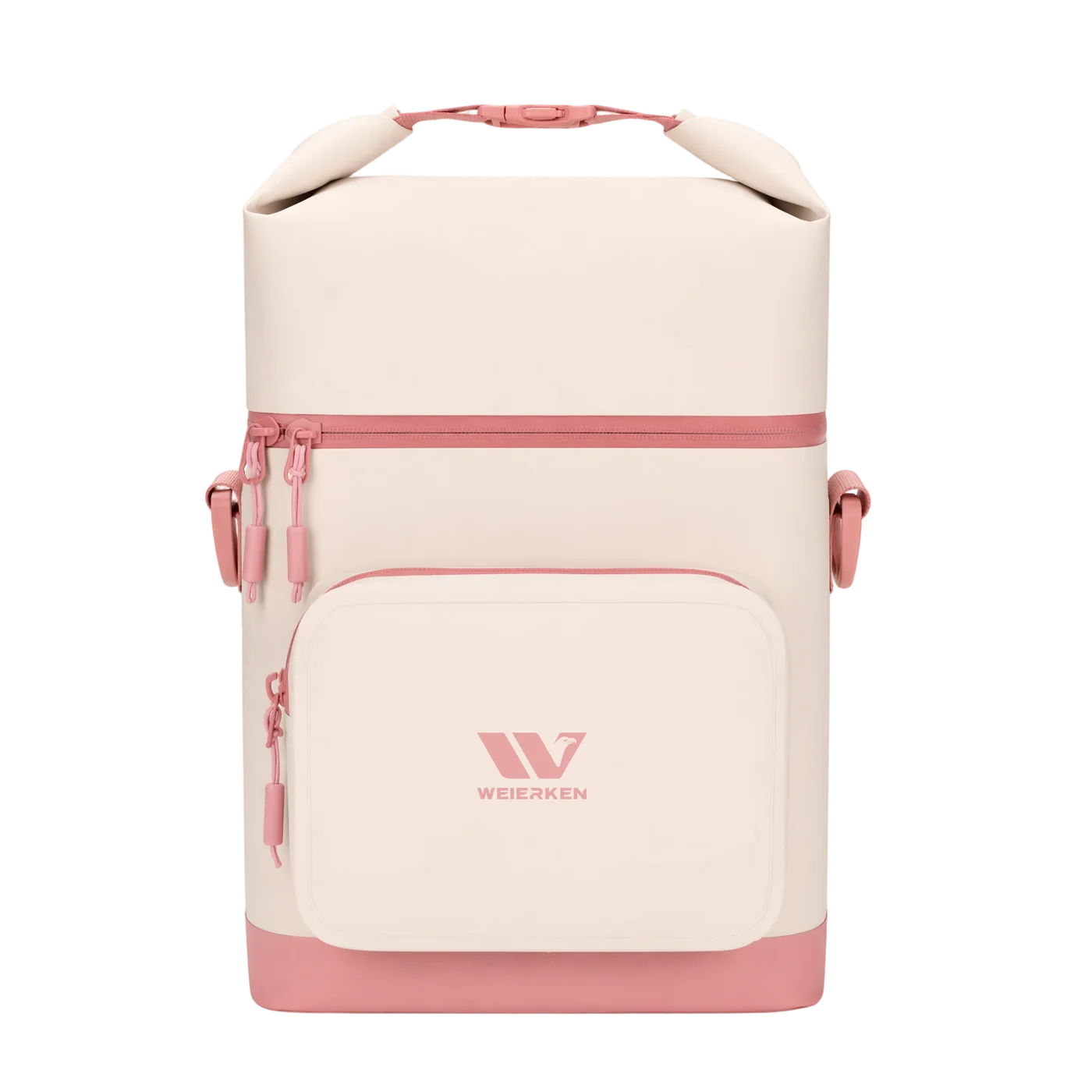
Weierken’s C08 roll-top dual-compartment cooler bag is a platform with separate compartments and a roll-top upper section. Its recorded construction combines a TPU shell, PE foam and a TPU liner. The presence of two sections does not by itself establish independent temperature control or a certified food-contact surface. Those requirements need separate definition and verification.
Write down which section is loaded first
A buyer should try both loading orders. Fill the lower compartment, close it, then load the upper section; repeat in reverse. Observe whether the lower contents can be placed flat and whether the upper load presses against the separation. Use the intended containers rather than soft packing material that conveniently changes shape.
If the lower section is meant to stay packed while a drink is removed from above, show that action in the sample review. If the user must unload the upper section to reach a lower object, decide whether that is an acceptable routine or a reason to change the architecture. It is better to resolve this before changing artwork and colors.
An example loading brief a buyer can actually fill in
This example is a planning exercise only. The contents are illustrative and do not state the approved capacity of C08.
| Use stage | Illustrative contents | Question for the sample |
|---|---|---|
| Pack at home | One rigid food container in the lower section | Can it be inserted level without forcing the zipper path? |
| Finish packing | Drink container and snack pouch above | Can the roll-top reach the agreed closed position? |
| First break | Remove the upper drink container only | Do lower contents remain positioned as intended? |
| After use | Empty containers and used cooling pack | Are both sections accessible for the agreed cleaning and drying routine? |
Add photographs for the first and last stages. An empty bag photograph does not tell the factory how much upper-space flexibility the buyer expects after the lower section has been packed.
Leave deliberate space for the roll-top action
Usable space is not the same as the amount that can be squeezed below an open mouth. The roll-top needs enough unfilled material for its agreed closing method. Confirm the closure instructions on the actual sample, including buckle alignment and the packed height. Do not prescribe a universal number of rolls from a different brand’s product.
A taller drink container may be a more important constraint than the total nominal liters. If several container types are planned, document the limiting example for each. Our usable capacity guide provides a separate framework for recording closed dimensions rather than relying only on a catalog capacity label.
Decide what separation does and does not promise
Explain whether the divider is intended to organize items, separate dry accessories or support a more demanding thermal requirement. A physical divider is not automatically a thermal barrier. Avoid a hot-and-cold marketing claim unless the exact construction and relevant conditions have been assessed.
Cleaning is another design input. Photograph the compartment corners, zipper access and any areas that cannot easily be reached with the agreed cleaning method. Ask the development team to identify a practical change if access is insufficient. Instructions should match the materials and construction, not a generic washing recommendation.
At the approval stage, keep the contents map, load photographs and closure reference together. If the buyer later requests a larger upper section or a different lower container, treat it as a new fit review with cost and construction consequences rather than a cosmetic adjustment.
Procurement FAQ
Does a dual-compartment cooler keep two sections at different temperatures?
Not automatically. The divider, insulation and use conditions determine the result. If independent temperature performance matters, state the required conditions and agree a relevant test plan instead of relying on the compartment count.
Can we change the upper section without changing the lower one?
It may be possible, but the shared construction, overall balance and closure geometry still need review. Send the revised item sizes and loading sequence so Weierken can assess the change as a complete bag.
Which sample photographs are most useful?
Show each compartment empty, each packed with the stated contents, the fully closed bag, and the item-removal sequence. Include one view that makes the separation and any interference visible.
Discuss your project with Weierken
Share your two-compartment contents map with Weierken to discuss the appropriate platform and the sample checks needed for your collection. Send your project brief with the intended quantity, market and reference files. Pricing, sampling, MOQ and delivery commitments are confirmed for the agreed specification, not assumed from this guide.
From brief to sample
Build the right bag for your collection.
Share the intended use, product format, quantity and destination market. Weierken can review the construction and sampling requirements with your team.
Discuss your bag project Explore OEM & ODM