
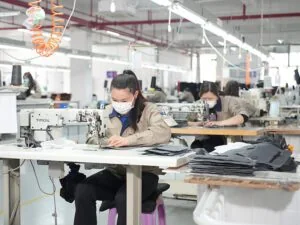
A development sample can demonstrate a design before the full bulk-material plan is released. Before production, buyers should understand which materials and components the next sample actually represents. Calling every version an approved sample hides that distinction. A pre-production review should connect the physical bag to the material and component references intended for the order.
Identify what the sample represents
List the outer fabric, liner, insulation, webbing, hardware and logo process shown in each sample. Mark any component that is a development substitute rather than an intended bulk part. The point is not to reject every early substitute, but to prevent it from becoming an undocumented assumption.
Agree the role of the pre-production sample with the supplier. The terminology can vary between businesses, so the order file should define what is represented and which approvals remain open.
Compare by component and function
Place the development sample, proposed production sample and material references side by side. Review shade, texture, thickness or other specified attributes using an agreed method. For functional differences, check the affected loading, closure or carrying arrangement rather than relying only on appearance.
Use a difference list with a decision for each line: retained, intentionally changed or unresolved. A general email saying the new sample looks fine leaves uncertainty about whether every substituted component was actually reviewed.
Set a clear release boundary
Identify which approvals are required before cutting, printing or final assembly. Connect the quotation revision and purchase specification to those approvals. Do not infer that receipt of a sample authorizes production or that a sample shipment automatically confirms all commercial details.
If a required bulk component is unavailable, record the proposed alternative and its consequences before release. A late substitution should not be hidden in a sample with no explanation of the changed material.
Keep a reference for later inspection
Retain the approved sample identifier, dated photos, component list and any applicable test references. Inspection should compare bulk goods with that agreed baseline, not an earlier sales sample that shows a different pocket, color or strap arrangement.
When a later order repeats the product, review whether the baseline and sourcing references still apply. A reorder is a chance to confirm controlled continuity, not a reason to assume that every supplier component remains unchanged.
Purchasing worksheet
Use this as a project worksheet, not a completed test report. Swipe the table on a small screen.
| Component | Sample A | Production decision |
|---|---|---|
| Outer fabric | Development reference recorded | Bulk reference and shade identified |
| Hardware | Temporary or intended part marked | Approved component specified |
| Release | Open points listed | Named approval and order revision |
Buyer FAQs
Is a development sample automatically a bulk-production standard?
No. Agree what it represents and identify any substitutions before using it as the production baseline.
Must every difference require a completely new bag sample?
The review scope depends on the change. Record which component or finished-bag checks are needed and who accepts them.
Explore our OEM and ODM development alongside the project worksheet below.
Prepare your Weierken project brief
Send the development sample identifier, intended order specification and open material decisions. Weierken can organize the comparison around a defined production release rather than an ambiguous sample label.
Related guidance: pilot-run approval, sample version control. Send your project details to Weierken.
From brief to sample
Build the right bag for your collection.
Share the intended use, product format, quantity and destination market. Weierken can review the construction and sampling requirements with your team.
Discuss your bag project Explore OEM & ODM