
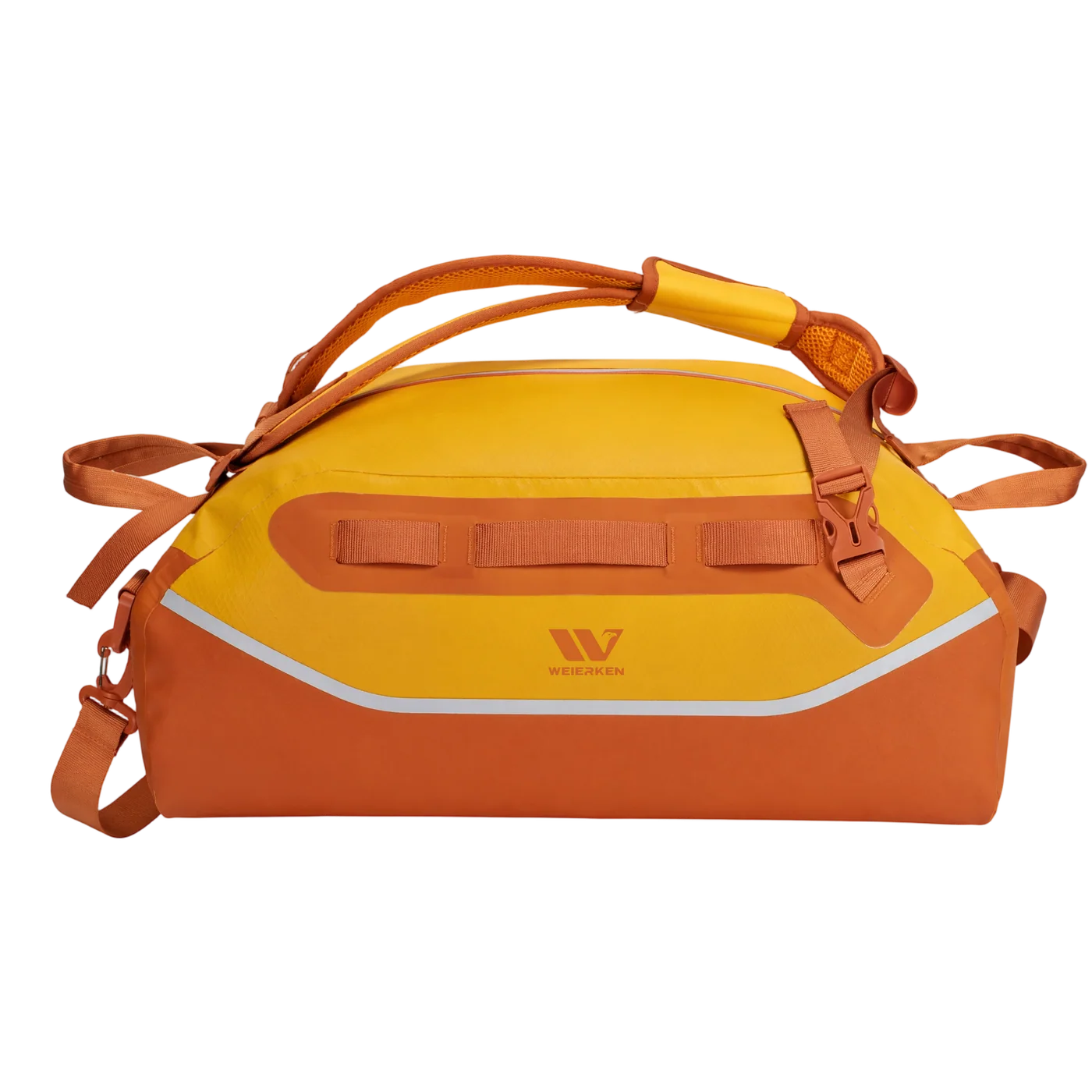
For custom bag zipper pull glove clearance, start with the physical interfaces in the development brief. A zipper-pull review for gloved operation should connect the intended glove, the opening in the pull and the available approach space on the actual bag. A larger pull is not automatically easier to use if it catches nearby straps or becomes difficult to park. Before ordering a custom bag, identify the normal operating task and review it on the development sample. Keep grip clearance, slider movement and closure performance as separate questions. A catalog photograph can explain the bag format, but it cannot establish glove compatibility for a new pull or a new operating arrangement.
Name the intended glove and task
Describe the glove or provide an identified sample appropriate to the intended development review. Record whether the task is finding the pull, gripping it, moving the slider or placing the pull back in a parked position. These are different interactions and should not be collapsed into a general statement that the zipper works with gloves.
Keep the intended hand approach and bag orientation visible in the brief. A pull accessible on a display table may be more difficult to reach when the bag is carried or placed in its normal operating position. The responsible buyer should choose a suitable controlled sample review for the actual use.
Separate useful grip from slider travel
After the pull can be gripped, observe the agreed opening and closing task through the required path. Identify any nearby feature that obstructs the movement or catches the pull when it is released. Keep these observations tied to the bag loading and orientation used in the review.
A comfortable grip observation does not establish zipper durability, water protection or the strength of a modified attachment. Those requirements need their own suitable evaluation. Do not use a fatigue-test photograph or a general zipper description as proof that a particular glove-and-pull combination has been approved.

Review the opening and surrounding clearance together
The pull opening must be considered with the space around it. A glove may approach the pull at an angle, and nearby webbing, a flap or another slider can occupy the same area. Show the intended approach in the sample record rather than treating an isolated pull measurement as the complete requirement.
The technical schematic represents a clearance envelope, not a measured hand or a dimensioned production component. Ask Weierken to review the proposed pull geometry against the actual glove and bag sample. Do not infer compatibility with every glove size or material from one favorable observation.

Approve the physical arrangement with its revision
Record the pull, slider, bag construction and glove reference used for approval. Keep photographs or observations linked to the accepted sample and identify any condition outside the reviewed use. If the pull material, opening, cord arrangement or neighboring strap changes, revisit the affected interaction.
For the RFQ, separate mandatory use requirements from preferred appearance. Ask Weierken to confirm the proposed development and supply scope, requested quantity, documentation and packing. Retain the approved arrangement for repeat orders so a visually similar replacement does not silently become an unreviewed component change.
Compare the sample and supply requirements
| Buyer need | Recommended scope | Key specification | Why it matters |
|---|---|---|---|
| Glove reference and operating task | Identified bag and proposed component arrangement | Controlled sample, revision and acceptance owner | Defines what is actually being reviewed |
| Pull opening and approach space | Identified bag and proposed component arrangement | Controlled sample, revision and acceptance owner | Makes interface differences visible |
| Slider travel and parked clearance | Identified bag and proposed component arrangement | Controlled sample, revision and acceptance owner | Connects observations to the physical sample |
| Physical sample and component revision | Identified bag and proposed component arrangement | Controlled sample, revision and acceptance owner | Keeps repeat orders tied to approval |
Suitable development programs
Best for brand sourcing teams, distributors and product developers preparing an OEM or private-label sample review. Suitable for a defined bag project with actual use requirements and an identified approval owner. Not suitable for inferring a protection claim, load rating or universal component compatibility from a photograph or schematic. Confirm the actual construction, proposed development scope and commercial conditions with Weierken.
Procurement questions
What should accompany the first inquiry?
Send the bag application, destination market, expected quantity and the actual component or use references. Include the glove reference and operating task. Attach an identified sample or controlled drawing where available and name the person who can approve changes. Ask Weierken to identify assumptions, proposed development work and exclusions so the quotation can be compared against the same intended scope.
How should the proposed arrangement be approved?
Review the actual bag and component together under the agreed sample conditions. Include the pull opening and approach space. Record the observed result and any use condition outside the review. A similar appearance does not establish interchangeability or performance. Keep fit, handling and any independently required protection or strength evidence distinct, with the acceptance owner identified for each requirement.
Which evidence belongs in the sample record?
Retain the physical sample identity, bag and component revisions, review conditions and the disposition of deviations. Include the slider travel and parked clearance. Connect photographs and comments to the same arrangement so later reviewers know what was accepted. An isolated image or a brief message saying approved does not explain every relevant interface or establish an untested performance claim for another version.
Can the component or packing be customized?
Describe the requested component, label, color, packaging or identification change in the RFQ. Include the physical sample and component revision. Ask Weierken to confirm feasibility, applicable quantity and the effect on sampling or delivery before treating a requested option as included. Keep the accepted change with the controlled order revision so production and receiving teams can distinguish it from a general reference.
When should the production schedule be agreed?
Agree the technical scope, sample responsibilities, approval sequence, quantity and destination before requesting a firm production commitment. Include the glove reference and operating task. Separate development, sample review, production completion and arrival at the destination. This guide establishes no stock position or fixed lead time; the supplier must confirm the actual schedule and any dependencies for the accepted construction.
Send Weierken an identified sample brief
Provide the intended application, bag and component references, destination, quantity, required changes, packing needs, acceptance owner and target delivery date. Attach the actual samples, drawings or photographs needed to explain the interfaces. Send the development brief to Weierken so the proposed construction, sample work and supply conditions can be reviewed before a production order is released.
From brief to sample
Build the right bag for your collection.
Share the intended use, product format, quantity and destination market. Weierken can review the construction and sampling requirements with your team.
Discuss your bag project Explore OEM & ODM