
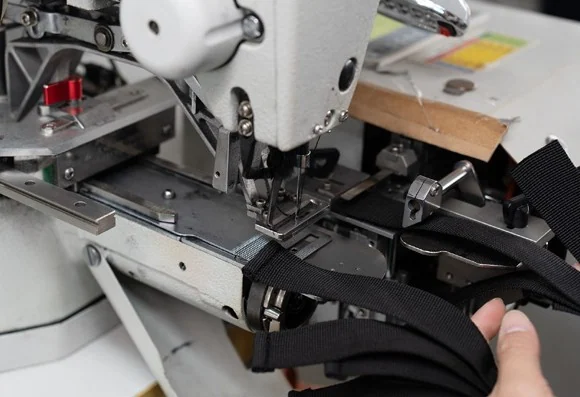
A carrying system is more than a strap added to the bag. It must suit the load, the distance and the moments when the user picks the bag up or sets it down. Weierken develops handles, shoulder straps and backpack arrangements as part of the bag structure. Give us the carrying sequence so the sample can address the job, not just match a reference photo.
Specify the journey before choosing the straps
For a cooler bag taken from a car to a campsite, hand carry may be useful for a short transfer while a shoulder strap leaves one hand free. A longer walk with both hands occupied presents a different brief. These are use scenarios to review, not proof that any one system is comfortable for every person or load.
Record the filled bag weight, load distribution, clothing and intended users. Keep a trolley, rack or boat transfer separate from normal wearing: lifting from a confined space may require a handle position that is less important once the bag is on the shoulder.
A filled carry-system comparison
Illustrative brief for one bag concept; these rows are sample requests, not tested load ratings.
| Use moment | Proposed carry option | Detail to prototype | Loaded sample check |
|---|---|---|---|
| Car boot to picnic table | Two hand handles | Grip clearance above the closed lid | Pick up without catching the closure or tilting the intended containers. |
| Short walk with another item in hand | Detachable shoulder strap | Adjuster position and pad location | Try the intended clothing; check strap slip and body contact. |
| Hands-free walk over a longer route | Backpack arrangement | Strap spacing and back-facing panel | Use representative wearers and the specified load; record pressure or interference. |
| Placing the bag on the ground | Controlled set-down | Straps kept clear of the base | Check that loose parts do not obstruct the next pickup. |
Compare options using the same load. Otherwise, the lighter sample can appear easier to carry simply because less was packed inside it.
Keep the strap and bag body in the same review
The attachment area matters as much as the visible strap. Show anchor positions on the drawing and identify surrounding seams, pockets and the lining. Weierken’s carrying and construction customization provides a way to develop these details together. If an anchor moves, review the adjoining panel rather than treating it as a trim-only change.
Choose the intended configuration before approving labels or product photography. If a removable shoulder strap is included, list it in the unit packing specification; if it is optional, give that variant a distinct packing instruction.
For a quotation, send front, back and side references with the load and carry sequence. Ask Weierken to review the carrying arrangement and identify any specific load or durability verification needed before making marketing claims.
Frequently Asked Questions
Can the same carry design serve adults of different heights?
Include representative intended users and the required adjustment range in the brief. Review actual fit rather than assuming one demonstration wearer establishes suitability for everyone.
Can we order replacement straps separately?
Ask for a compatible part reference and supply terms for the approved bag revision. Do not promise universal replacement compatibility across designs with different attachments or hardware.
From brief to sample
Build the right bag for your collection.
Share the intended use, product format, quantity and destination market. Weierken can review the construction and sampling requirements with your team.
Discuss your bag project Explore OEM & ODM